Mario theme music: a practical guide
Published 28 September 2026
You can learn the main Mario theme music in an afternoon. The melody is short, the rhythm is square, and the whole thing sits inside one comfortable octave, which is exactly why it has been copied, arranged and mis-transcribed more than almost any other game tune.
This guide covers what the piece actually is, how to read a super mario theme music sheet without getting lost, and what to do when your left hand and right hand refuse to cooperate. No prior theory needed.
What the Mario theme music actually is
The tune most people mean is the overworld theme from Super Mario Bros., composed by Koji Kondo for the 1985 Nintendo release. It is not one melody. It is a short loop built from a handful of phrases that repeat with small changes, which is why it lodges in your head so fast.
Kondo wrote it under real hardware limits. The console's sound chip gave him a small number of simultaneous channels, so every line had to earn its place. That constraint is the reason the theme still works on a single piano: there was never much to strip away.
The piece is usually notated in C major and moves at a brisk walking pace. The famous opening is a rising figure that lands, pauses, then answers itself a step lower. Once you hear those two halves as a question and an answer, the rest of the loop falls into place.

The theme is built on a call-and-response pair. Hear the two halves and the loop stops feeling random.
How we picked these sources and versions
Sheet music for this theme is everywhere, and a large share of it is wrong. We judged versions on three things: whether the rhythm is written in a readable meter, whether the left hand is playable by a human rather than a sequencer, and whether the arrangement credits the original composer.
Two categories are worth knowing about before you search.
| Version type | Best for | Difficulty | Typical layout |
|---|---|---|---|
| Lead sheet | Learning the tune fast | Beginner | Melody plus chord symbols |
| Easy piano | First full performance | Beginner to intermediate | Two staves, simplified bass |
| Full arrangement | Recital or recording | Intermediate and up | Dense voicings, wide jumps |
| Chiptune transcription | Studying the original channels | Advanced reading | One line per sound channel |
If you are starting out, the lead sheet gets you playing today. The full arrangement will still be there next year.

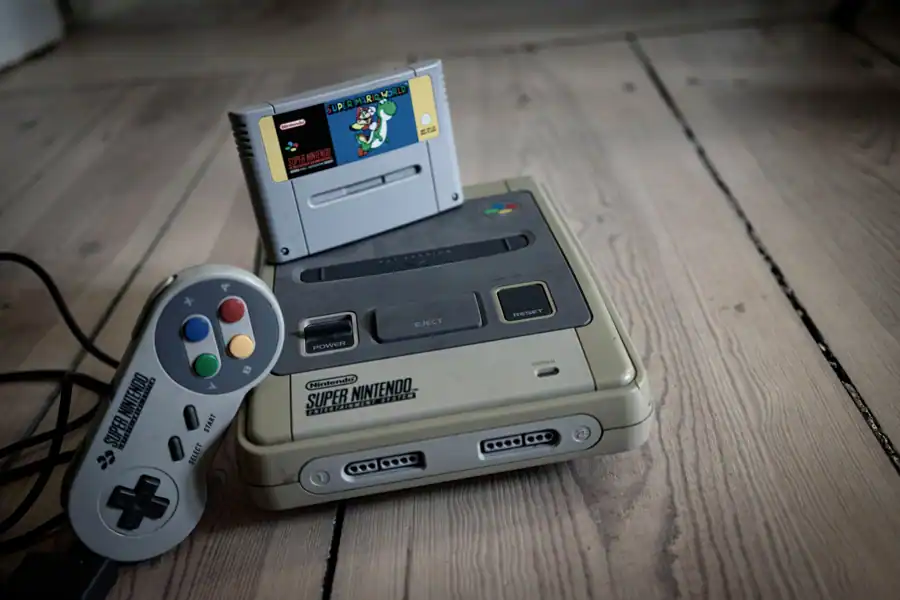
Photo: Beate Vogl · Pexels
The short version
Learn the melody by ear first, then read the sheet to fix the details. Most people do it backwards, spend two weeks decoding notation, and quit before they ever hear themselves play the tune.
Here is the whole method in five moves:
- Listen to the original loop three times and hum the answer phrase, not the opening.
- Find the starting note on your instrument and play the first four bars slowly.
- Add the left hand only after the right hand can play without looking.
- Loop the tricky two-bar join at half speed until it stops being tricky.
- Play the full loop at tempo, then stop. Do not polish on day one.
That is it. Everything below is detail for when one of those five steps snags.
Playing the Mario theme music on piano
The piano version lives or dies on one decision: what your left hand does. The original has no piano bass line, so every arrangement invents one, and that invention is where beginners get stuck.
Three approaches work, in order of difficulty.
- Single bass notes on the downbeat of each bar. Boring, effective, and enough to hold the harmony.
- Root and fifth on beats one and three. Adds motion without adding hand travel.
- Walking bass in stepwise motion. This is what makes an arrangement sound professional, and it is the last thing you should attempt.
Keep the right hand light. The theme is staccato in character, the notes are short and separated, not smooth and connected. If you play it legato, it sounds like a lullaby, and that is the single most common reason a performance feels wrong without the player knowing why.
Watch your tempo too. Rushing the opening phrase is normal, because the melody invites it. Set a metronome slightly under your comfortable speed and stay there for a week.
serp_error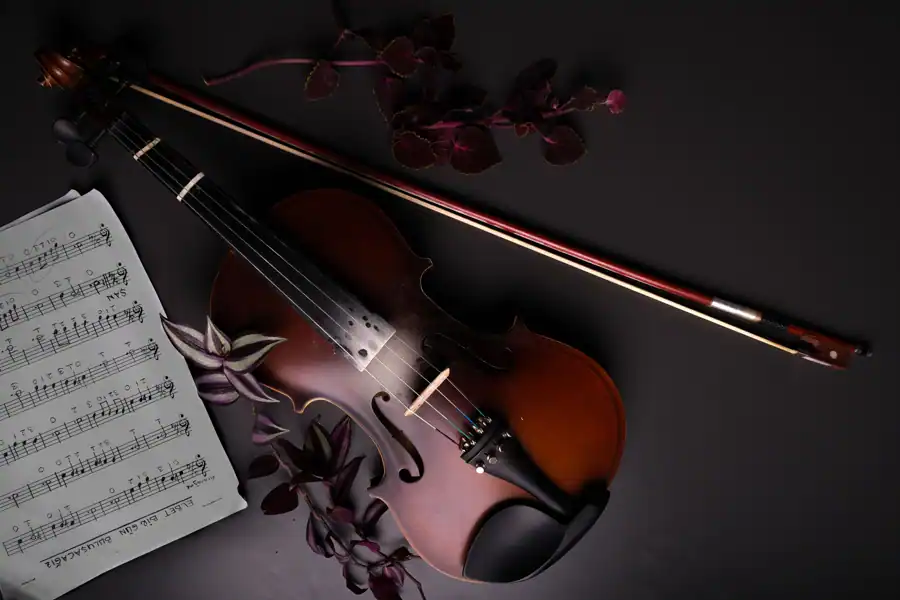
Photo: Enes Beydilli · Pexels
Reading a Mario theme music sheet without losing your place
Most transcriptions of this theme share a trap: the repeats are written out in full, so the page looks twice as long as the piece really is. Count the bar lines before you start and you will see the loop structure immediately.
Two more things to check on any sheet you download.
- Key signature. C major means no sharps or flats at the start of the staff. If you see a key signature, the arranger transposed it, which is fine but means the fingering differs from every tutorial you will find.
- Time signature. The theme is usually written in a simple meter with a fast tempo marking. If the sheet uses a cut-time feel, the note values will look twice as long as they sound.
If the rhythm in your sheet looks impossibly busy, the arranger has probably notated a swing or shuffle feel literally. Play it straighter and it will sound closer to the original.
Once you can read one clean version, comparing arrangements becomes genuinely interesting rather than confusing, the same skill that pays off when you dig into a Final Fantasy 7 soundtrack, where the sheet music tradition is far messier.
Common mistakes and how to fix them
Almost every stalled attempt at this theme fails for one of four reasons. All four are fixable in a single practice session.
- Starting with the left hand. Learn the melody alone. The bass is scaffolding, not foundation.
- Playing it too smoothly. Shorten every note. The gaps carry the character.
- Practicing the whole loop. The loop is short, so people repeat it endlessly and never fix the one bar that trips them. Isolate that bar.
- Using an over-arranged sheet. If you cannot play bar one after ten minutes, the arrangement is above your level, not you below its level.
For the join between phrases, slow practice beats repetition every time. Set the metronome to roughly half your target and play only those two bars, twenty times, then walk away.
Why this tune still matters for game audio
The Mario theme is a useful study piece because it demonstrates a principle that still drives game scoring: a short, memorable loop beats a long, impressive one. Kondo wrote for a machine that could barely hold a melody, and the result outlived the hardware by four decades.
That same logic runs through modern adaptive scores, where music shifts with player state rather than playing start to finish. If the craft side interests you more than the piano bench, our breakdown of the best video game soundtracks traces how far the technique has traveled since 1985.
FAQ
Is the Mario theme music public domain?
No. The composition is owned by Nintendo, and the copyright is actively enforced. Learning it, performing it privately and studying transcriptions is normal practice; selling recordings or distributing your own sheet music is a different matter and needs permission.
How long does it take to learn on piano?
The melody alone takes most beginners an afternoon. A two-handed arrangement with a simple bass line typically takes one to three weeks of short daily sessions, depending on how much piano you have played before.
Where can I find a reliable super mario theme music sheet?
Look for versions that credit Koji Kondo and show a clear key and time signature. Compare two or three before committing, and pick the one whose first bar you can actually play. Difficulty labels vary wildly between publishers.
Can I play it on other instruments?
Yes, and it transfers well. The range is narrow, so flute, violin, guitar and most wind instruments can handle the melody without transposition. Guitarists usually prefer a single-note arrangement with a bass note on the downbeat.
Why does my version sound different from the game?
Usually tempo and articulation, not wrong notes. The original is fast and clipped. Play it slower, hold every note longer, and it will drift away from the character even if every pitch is correct.
More on the site
Read next

Metal gear rising soundtrack: a practical guide
The Metal Gear Rising soundtrack does something most game scores never attempt: it sings at you while you fight. Composed largely by Jamie…

Pokemon soundtrack movie: how to get started
Start with the first movie. Everything else makes more sense after it. If you have ever hummed a tune from a Pokémon film without knowing where it…

Sonic the hedgehog soundtrack: a practical guide
Most people meet the Sonic music backwards. They hear a remix, a live orchestral arrangement, or a track from a later game, and only then go looking…