Final fantasy 7 original soundtrack: a practical guide

Published 28 September 2026
Four discs. Roughly eighty tracks. One composer working mostly alone at a keyboard.
The Final Fantasy 7 original soundtrack is the score Nobuo Uematsu wrote for Square's 1997 PlayStation release, and it remains one of the most studied game scores ever made. If you want to listen to it properly, learn from it as a composer, or just work out which version to buy, this guide walks through what is actually on the album, how the music functions inside the game, and how it sits next to its sequel and its contemporaries.
Expect about ten minutes of reading. No prior music theory needed.
What the Final Fantasy 7 original soundtrack actually contains
The score runs across four CDs, with the bulk of it recorded as synthesized performances rather than a live orchestra. Uematsu programmed most parts himself, which is why the album has a distinctive texture: bright sampled brass, dry percussion, and melodies that carry far more weight than the patch quality suggests.
The track list moves between three jobs. There are character themes, like Aerith's and Tifa's, each built on a single melodic idea that gets restated in different keys. There are location pieces, the slum theme, the overworld theme, the Shinra building, that loop for long stretches without wearing out. And there are set-piece cues for cutscenes and battles, where the music is allowed to develop and stop.
Two tracks sit apart from the rest. "One-Winged Angel" adds a choir and a rock band to the usual palette, and it is the moment the score stops behaving like a game soundtrack. The battle theme, by contrast, is one of the most recognizable loops in the medium, short, relentless, and designed to survive hundreds of repetitions.
serp_errorThat mix is the reason the album holds up outside the game. Most of it was written to be background, but it was written well enough to be foreground.
Final Fantasy VII original soundtrack: which version should you get
There is no single "correct" edition, and the differences matter more than most buyers expect.
| Edition | Best for | Format | Track count |
|---|---|---|---|
| Original 1997 four-disc release | Hearing the score as it shipped | CD | Full in-game set |
| Digital storefront release | Quick listening, no shelf space | Download or stream | Same masters, split by disc |
| Remake-era arrangements | Hearing the themes re-orchestrated | Digital | New recordings, not the original |
The practical rule: if you want the Final Fantasy VII original soundtrack as composed in 1997, look for the four-disc track listing. Remake albums are a separate body of work, excellent, but a rearrangement, not a reissue. Buyers searching for the original sometimes end up with a remake record and wonder why the synths sound like strings.
One more thing to check before you buy: some digital listings split the album across two purchases. Read the track count, not the cover art.
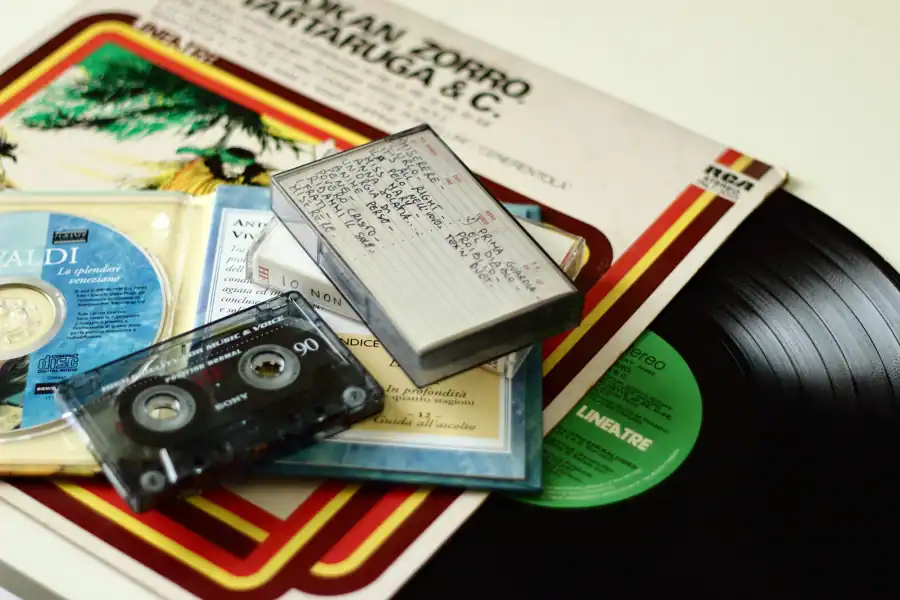
Photo: Giovanni Palma · Pexels
Why the score still gets studied
Uematsu wrote melodies that survive bad samples. That sounds like faint praise. It is the opposite.
On 1997 hardware, the sound chip could not fake a real orchestra. So the writing had to carry the emotional load on its own, strong intervals, clear phrasing, and themes short enough to be remembered after one hearing. Strip the arrangement away and most of these pieces still work as piano reductions, which is why sheet music for them circulates so widely.
The second reason is structural. The score uses a small set of themes and recombines them. When a character returns, their melody returns with it, often in a new key or tempo. That is a film technique applied to a forty-hour interactive work, and it is the part modern composers borrow most.
If you want to hear the same idea pushed further, the Final Fantasy 7 soundtrack starter guide walks through where to begin listening track by track.
Final Fantasy 8 original soundtrack: the direct comparison
The Final Fantasy 8 original soundtrack arrived a year later and sounds noticeably different, even though the same composer wrote it.
Where FF7 leans on short loops and bright synth patches, FF8 leans on longer pieces, more prominent bass, and a heavier use of the "Eyes on Me" vocal theme as a structural anchor. The battle music is more aggressive. The quieter cues are more atmospheric and less melodic.
Neither approach is better. They solve different problems. FF7 needed music that could sit under long exploration sessions without becoming irritating. FF8 was written for a game with more cinematic cutscenes, so more of its score is allowed to build and resolve.
For a composer, listening to the two back to back is one of the fastest ways to hear how game design shapes a score. Same writer, same era, different constraints.
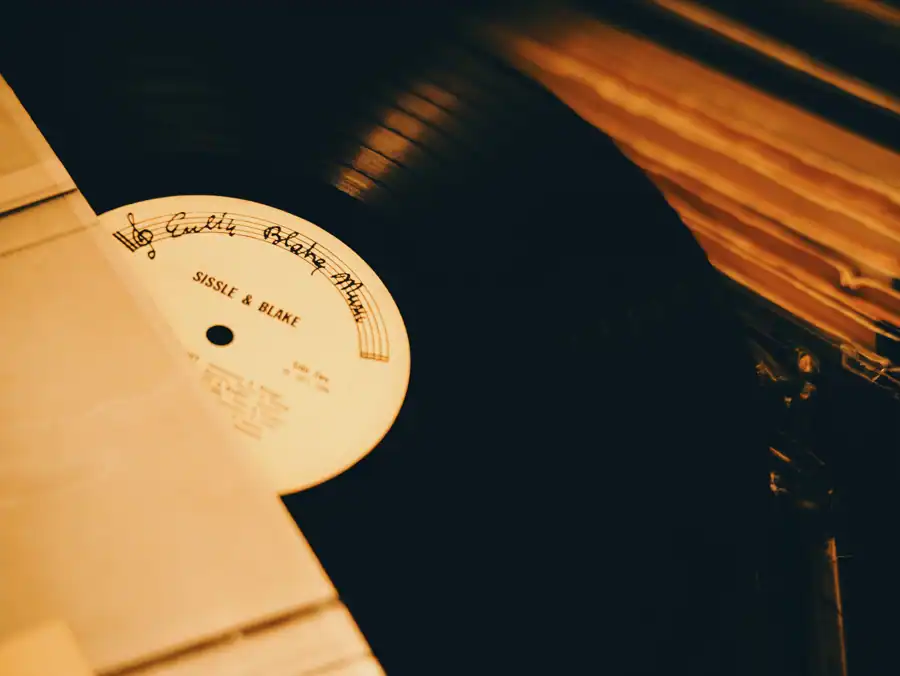
Photo: Aaron Burden · Pexels
Camp Rock 2 the Final Jam soundtrack, and why it comes up
Search results for game scores sometimes surface the Camp Rock 2 the Final Jam soundtrack, and the reason is purely mechanical: both are multi-disc, era-specific albums with long official titles, and search engines group them. There is no musical connection.
The useful takeaway is about catalog structure. Soundtracks from that period were marketed as collectible objects, thick booklets, disc splits, obi strips. Game scores followed the same playbook. If you are hunting a physical copy of any 1997-2000 score, expect the same packaging quirks and the same inflated prices for sealed copies.
Don't pay a premium for a sealed game soundtrack unless you intend to keep it sealed.
How we picked what to cover here
Three filters decided the scope of this guide.
- Availability. Only editions you can realistically buy or stream today, not limited pressings that vanish.
- Relevance to composers. We favored scores that teach something transferable, theme reuse, loop design, arrangement under hardware limits.
- Comparison value. FF8 earns its place because it is the closest useful contrast: same composer, one year apart, different design goals.
We left out live orchestral tour recordings and fan arrangements. They are worth hearing, but they are interpretations, not the score itself.
The short version
The Final Fantasy 7 original soundtrack is four discs of programmed synth music that works because the melodies were strong enough to survive the hardware. Buy the four-disc track listing if you want the 1997 score; treat remake albums as separate works. Listen to FF8 next to it to hear how game design changes a composer's choices.
If this left you wanting more scores to compare, the guide to the best video game soundtracks covers where FF7 sits in the wider canon, and the breakdown of the Sonic original soundtrack shows a very different answer to the same hardware problem.
More on the site
Read next
Metal gear rising soundtrack: a practical guide
The Metal Gear Rising soundtrack does something most game scores never attempt: it sings at you while you fight. Composed largely by Jamie…
Pokemon soundtrack movie: how to get started
Start with the first movie. Everything else makes more sense after it. If you have ever hummed a tune from a Pokémon film without knowing where it…

Sonic the hedgehog soundtrack: a practical guide
Most people meet the Sonic music backwards. They hear a remix, a live orchestral arrangement, or a track from a later game, and only then go looking…