Silent hill soundtrack: what to know

Published 28 September 2026
The Silent Hill soundtrack is not horror music in the usual sense. Akira Yamaoka, the series' composer and long-time sound director, built it from industrial noise, trip-hop beats, droning guitars and quiet piano melodies that would sound almost gentle without the context. That contrast is the whole point. If you expect orchestral stings and screaming strings, the first listen will confuse you, and that confusion is exactly what the games are about.
What the Silent Hill soundtrack actually sounds like
Most tracks fall into one of two moods, and the albums deliberately alternate between them. One is abrasive: scraped metal, distorted bass, machine-like percussion, sounds that sit closer to game sound design than to melody. The other is unexpectedly soft, slow piano, acoustic guitar, breathy vocals, trip-hop rhythms that could pass for a late-90s downtempo record.
That second half is what surprises people. "Promise (Reprise)", "Theme of Laura" and similar pieces are not scary at all on their own. They are melancholy, patient, almost romantic. Then you remember where you first heard them, and the same notes turn cold.
serp_errorYamaoka also used vocals far more than most horror games of the era did. Some are wordless, some are whispered, some are full songs. They rarely explain anything, which keeps the lyrics from pinning down a story the games want left open.
The result is a soundtrack you can play on a commute without frightening anyone, until track seven.
Akira Yamaoka and the sound of the series
Akira Yamaoka is the single most important name in the Silent Hill soundtrack story. He joined Konami in the early 1990s, worked on other projects first, and then took on music for the original Silent Hill. He stayed with the series for years, and he did more than compose: he handled sound direction, meaning he decided how music, ambience and effects interact in the actual game.
That dual role explains a lot. A composer writes cues; a sound director decides when those cues appear, when they cut out, and what silence is left behind. In Silent Hill, silence does heavy lifting. Rooms go quiet for long stretches, then a radio hisses, and the player's own tension supplies the rest.
His background is not classical. He has spoken in interviews about drawing on rock, industrial and electronic music, and about treating noise as a legitimate instrument. That is why the akira yamaoka silent hill soundtrack material rarely sounds like a film score. It sounds like a band that decided to score a nightmare.
He has also worked outside the series and toured performing the music live, which is part of why these albums keep finding new listeners decades later.
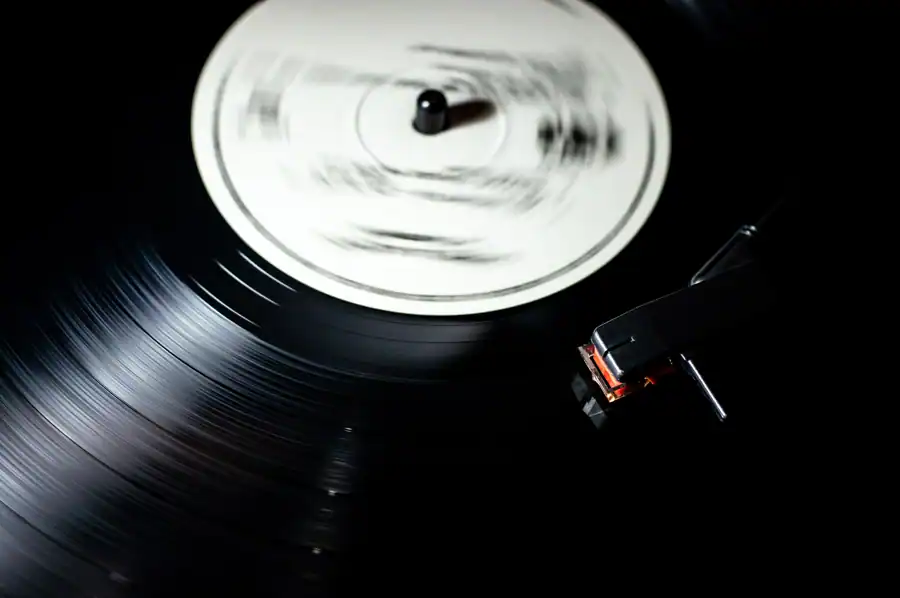
Photo: Miguel Á. Padriñán · Pexels
How the score changed across the games
The sound evolved with the technology and with the stories. Early entries lean hard on texture and limited hardware; later ones get cleaner production, live instruments and more conventional song structures. Which album you prefer often depends on which game you played first.
| Era | What defines it | Texture | Best entry point |
|---|---|---|---|
| Early games | Noise, drones, sparse melody | Rough, lo-fi | If you like atmosphere |
| Mid series | Stronger songs, live guitar | Warm, band-like | If you like melodies |
| Later entries | Cleaner mixes, other composers involved | Polished | If you want variety |
| Film scores | Re-recorded themes, orchestral weight | Cinematic | If you came from the movies |
Note the third row. Yamaoka did not score every later game alone, and some entries brought in other musicians. If a track feels unlike the rest of the catalogue, that is usually why.
Fans argue about which album is best, and there is no correct answer, but there is a correct order to listen in, and it is not release order.
Silent Hill soundtrack movie vs. game
The film uses Yamaoka's music, but not as a straight copy. The 2006 movie brought him in to work on the score alongside the film's composer, and the result reworks familiar themes with a larger ensemble and a more cinematic mix. If you only know the silent hill soundtrack movie version, the game albums will sound rawer and stranger than you expect.
- Game albums: written to loop, to fade, to sit under exploration for long stretches.
- Film score: written to hit specific moments on a fixed timeline.
- Shared material: several recognizable themes appear in both, rearranged.
- Practical difference: the film version is easier on a first listen; the game version rewards a fifth.
Neither is the "real" one. They were built for different rooms, a living room with a screen, and a dark bedroom with a controller.
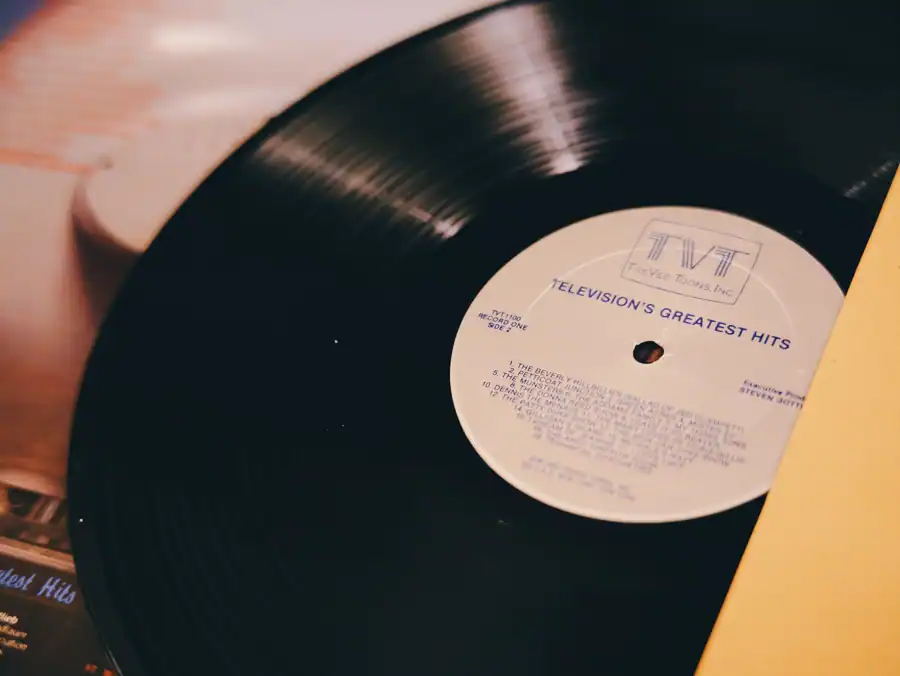
Photo: Aaron Burden · Pexels
Where to start listening
Start with the album from Silent Hill 2. It has the widest range in one place: harsh noise, gentle piano, and the vocal tracks people remember. If you enjoy the melodic side, move backward to the first game. If you want the loudest, most industrial material, go forward instead.
Three habits make the first listen better:
- Use headphones. A lot of the detail sits in low frequencies and small stereo movements that phone speakers erase.
- Play albums front to back once. The track order is a sequence, not a playlist.
- Skip nothing on the first pass, even the two-minute noise pieces. They set up the quiet ones.
If you like comparing how different series handle mood, our breakdown of the Final Fantasy VII soundtrack shows the opposite approach, melody first, atmosphere second. The Zelda: Ocarina of Time score sits somewhere between the two.
Why the music works so well in-game
Because it never tells you how to feel. Most horror scores signal danger: strings rise, you brace. Silent Hill's audio does the reverse. It stays ambiguous, so your own reading of the room becomes the threat. A slow piano loop in a hallway is not frightening by itself, it becomes frightening because nothing else is happening.
This is a lesson a lot of modern game audio still borrows from. Restraint, long silences and sound that reacts to the player rather than narrating for them all trace back to what Yamaoka was doing here. You can hear the same thinking in quieter, more recent scores, and in the way Minecraft's music uses space instead of volume.
It also means the albums lose something outside the game, and gain something else. Without a monster in the corridor, you finally hear how carefully the melodies were written.
FAQ
Who composed the Silent Hill soundtrack?
Akira Yamaoka composed and directed the audio for most of the series, starting with the original game. He handled both music and in-game sound direction, which is why the cues and the ambience feel like one piece of work rather than two.
Is the Silent Hill movie soundtrack the same as the game's?
No. The film reuses and rearranges themes from the games with a larger, more cinematic production, and Yamaoka was involved in the film's music. The game albums are built for looping and long quiet stretches; the film score is built for fixed scenes.
Which Silent Hill album should I listen to first?
The Silent Hill 2 album, because it covers both extremes, industrial noise and gentle melodic tracks, in one sequence. From there, go backward for atmosphere or forward for heavier production.
Do I need to play the games to enjoy the music?
No, but context changes it. On its own the music reads as dark ambient and trip-hop. After playing, the same tracks carry specific rooms and moments, and most listeners find they prefer the second version.
Is the soundtrack good for studying or working?
Parts of it, yes, the piano and trip-hop tracks work well as background. The noise pieces do not. Build a playlist from the melodic half rather than playing the albums straight through.
The short version
The Silent Hill soundtrack matters because it treats noise as music and silence as a tool, and because one person, Akira Yamaoka, controlled both the writing and the way it sits in the game. Start with the Silent Hill 2 album on headphones, expect two moods rather than one, and give the quiet tracks a second chance. The film version is a different animal, worth hearing, but not the place to begin.
More on the site
Read next
Metal gear rising soundtrack: a practical guide
The Metal Gear Rising soundtrack does something most game scores never attempt: it sings at you while you fight. Composed largely by Jamie…
Pokemon soundtrack movie: how to get started
Start with the first movie. Everything else makes more sense after it. If you have ever hummed a tune from a Pokémon film without knowing where it…

Sonic the hedgehog soundtrack: a practical guide
Most people meet the Sonic music backwards. They hear a remix, a live orchestral arrangement, or a track from a later game, and only then go looking…