Zelda oot soundtrack: how to get started

Published 28 September 2026
Most people hum the ocarina songs before they ever notice the score underneath them. That is the trick of the Zelda OOT soundtrack: the melodies you remember are only the top layer of a system that changes while you play.
This guide takes about fifteen minutes to read and needs nothing but headphones. You will learn which tracks to hear first, why the same tune sounds different in Hyrule Field and inside a dungeon, and how to listen so the mechanics become audible. No music theory required, just attention.
What you need before you press play
You do not need the game running. A streaming service, a physical copy, or a YouTube upload of the official soundtrack all work for a first pass. What matters is the order you listen in and whether you can hear the low end.
- Headphones, laptop speakers swallow the bass line, and the bass is where the tension lives.
- One quiet hour, split into two sittings if you prefer.
- A way to take notes, a phone memo is fine. Writing down "where does this loop?" trains your ear fast.
- Optional: the game itself, if you want to hear the transitions live rather than on a track list.
Composer Koji Kondo wrote the score for the 1998 Nintendo 64 release, and it is the piece most often cited when people argue about his range. If you want a wider frame of reference first, our guide to the best video game soundtracks puts this one in context.
The short version: where to start
Start with the ocarina songs, then move to the field themes, then go back to the dungeons. That order works because the songs are short, melodic and self-contained, you can judge them in under a minute each. Everything else in the score is built from the same handful of motifs.
serp_errorEach sitting answers a different question. The first asks "what is the tune?" The second asks "what changes when I stand still?" The third asks "what is missing?" And the last one lets you hear how the whole thing breathes.
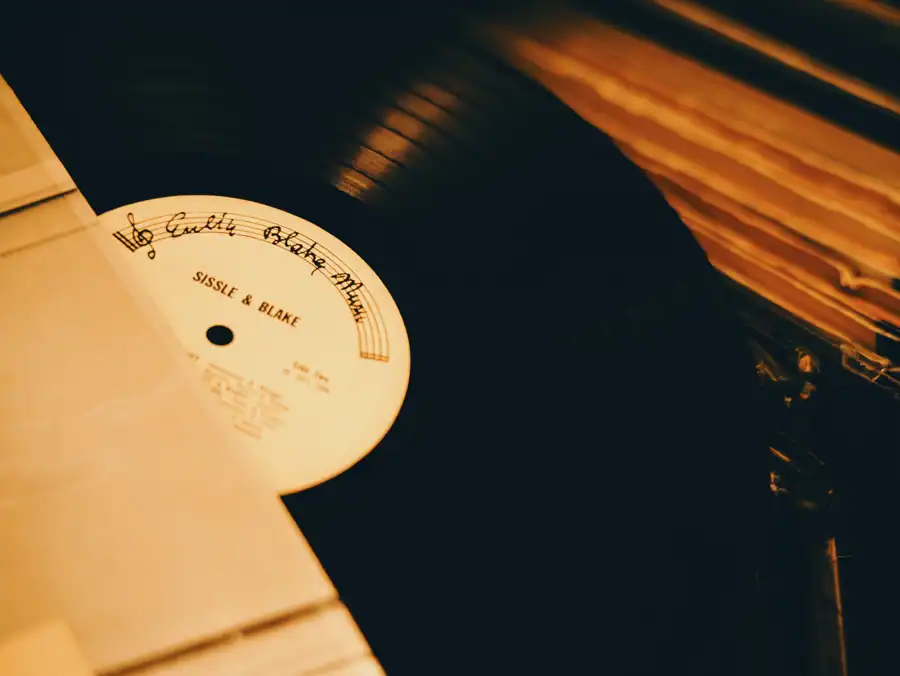
Photo: Aaron Burden · Pexels
The ocarina songs are the doorway
Six melodies do most of the emotional work in this score, and each one is tied to an action in the game. That link is why they stick: your hands learned them at the same time your ears did.
Listen for how short they are. Most run well under a minute, which is unusually compact for a game of this size. Kondo wrote them to be played back by the player, not just heard, so they had to be learnable in a few attempts. The constraint made them sharper.
Pay attention to the last two notes of each. That is where the character of the song sits: some resolve upward and feel hopeful, others drop and feel like a warning. Once you hear that, you will start recognizing the same intervals recycled in the background music elsewhere.
This reuse is the reason the legend of zelda oot soundtrack feels like one piece of music rather than a collection of files.
Why the same theme sounds different every time
The score is adaptive, which means the game decides what you hear based on what you are doing. Stand still in a field and you get one arrangement; walk toward danger and layers drop in or out. Nothing restarts abruptly, the music crossfades.
Three things change most often:
- Instrumentation, a melody carried by a flute in one area may sit under strings in another.
- Tempo, the same phrase speeds up when you are being chased.
- Density, percussion and countermelodies appear and vanish as the scene shifts.
This is the part that a track list cannot show you. On a soundtrack album you hear one fixed version; in the game you hear a family of versions. If you want to understand the technique more broadly, the same approach shows up across the medium, and our breakdown of the Final Fantasy VII soundtrack is a useful comparison because it solves the problem a different way.
Listen once with that in mind, and the field themes stop sounding repetitive.
Photo: Dan Cristian Pădureț · Pexels
Dungeons: where the score gets quiet
Dungeon music in this game does almost the opposite of the field music. It removes melody and leaves atmosphere, low drones, sparse percussion, long gaps. The effect is that you feel alone rather than entertained.
That restraint is deliberate. A dungeon can take a long time to solve, and a strong tune would wear out. Ambient textures survive repetition because there is less to memorize. Try listening to a dungeon track on loop for ten minutes; you will notice how little actually repeats.
Compare that with the town and market themes, which are busier and more melodic. The contrast is the point: the score tells you whether you are safe without a single line of dialogue.
How we picked these starting points
Four criteria shaped this order, and they apply to almost any game score you want to learn.
| Attribute | Why it decides the order | Best first listen |
|---|---|---|
| Length | Short pieces let you form an opinion fast | Ocarina songs |
| Melody strength | A clear tune gives your ear an anchor | Field themes |
| Repetition risk | Loops wear out if you start there | Dungeons last |
| Game link | Context makes the music memorable | Any track you played |
Notice that "most famous" is not on the list. Fame tells you what other people liked, not what will teach you the score. The same logic works for other Nintendo scores, our guide to the Mario theme music follows a similar path from melody to arrangement.
Common mistakes when starting out
Most people bounce off a game score for one of four reasons, and all four are easy to fix.
- Starting with the longest track. A ten-minute ambient piece is a terrible introduction. Begin short.
- Listening on phone speakers. Half the arrangement disappears. Use headphones or real speakers.
- Shuffling. Order matters here because the score builds motifs across areas. Play it in sequence.
- Waiting for a big theme. Much of this music is deliberately understated. Judge it on mood, not on hooks.
If a track bores you, skip it and come back after the dungeons. Context changes what you hear.
If you want to go further
Two directions open up once you know the score. The first is playing it, the ocarina melodies are short enough to learn by ear on a keyboard or ocarina, and our walkthrough of Minecraft music piano sheet shows how to approach a simple game melody from scratch.
The second is studying how the sound was built. The Nintendo 64 had limited audio memory, so composers worked with sampled instruments and clever sequencing rather than live orchestras. That constraint is the ancestor of the tracker and chiptune tools people still use today, and you can hear the family resemblance in scores like the Sonic original soundtrack.
Pick one direction. Listening passively is fine, but the score rewards the person who leans in.
FAQ
Do I need to play the game to enjoy the Zelda OOT soundtrack?
No. The melodies stand on their own, and the ocarina songs in particular are short and tuneful. Playing the game does add context, because you will remember what each theme was attached to.
How long is the soundtrack?
The original release is not a single fixed album, official and fan-assembled versions differ in track count and running order. Treat any specific number with caution and use the sequence you find as a listening order rather than a definitive edition.
Who composed the music?
Koji Kondo, with additional work by Toru Minegishi on the same era of Zelda titles. Kondo is the composer most associated with the series' main themes.
What is the best first track?
Any of the six ocarina songs. They are brief, memorable and teach you the motifs the rest of the score reuses.
Why does the music change while I play?
It is adaptive: the game swaps instrumentation, tempo and layers based on your location and situation. That is why a track on the album may sound different from what you remember hearing in the game.
More on the site
Read next

Metal gear rising soundtrack: a practical guide
The Metal Gear Rising soundtrack does something most game scores never attempt: it sings at you while you fight. Composed largely by Jamie…

Pokemon soundtrack movie: how to get started
Start with the first movie. Everything else makes more sense after it. If you have ever hummed a tune from a Pokémon film without knowing where it…

Sonic the hedgehog soundtrack: a practical guide
Most people meet the Sonic music backwards. They hear a remix, a live orchestral arrangement, or a track from a later game, and only then go looking…