Pokemon soundtrack movie: how to get started
Published 28 September 2026
Start with the first movie. Everything else makes more sense after it.
If you have ever hummed a tune from a Pokémon film without knowing where it came from, you are already halfway in. The Pokémon soundtrack movie world is small, weird, and split in two: the Japanese scores and the Western versions that replaced large parts of them. That split is the reason two fans can argue for years about what "the real" theme sounds like. This guide walks you through where to begin, what to listen for, and how to hear the difference.
Physical releases are the easiest way to compare regional versions side by side.
Why the first movie is the right entry point
The first film is the one where the music carries the most weight. It opens with a full orchestral battle sequence, then drops into a quieter character stretch, then builds to a climax that leans almost entirely on score rather than dialogue. That arc gives you a clean map of how a game franchise translates into film music.
It also gives you the clearest contrast. The Japanese release and the English-language release do not share the same soundtrack. Songs were swapped, cues were re-edited, and in places the tone shifted. Hearing both versions of the same scene is the single fastest way to train your ear.
One caution before you spend money: releases differ by region and by year, and track listings are not always printed clearly on the outside. Check the track count before you buy anything.
What you need to get started
- A way to listen without interruption, headphones beat laptop speakers for spotting quiet cues.
- Access to at least one full soundtrack album, ideally the first film's.
- A notebook or a plain text file for timestamps.
- Optional but useful: the film itself, so you can match a cue to the scene it was written for.
- Optional: basic knowledge of how a game score is built, which helps you hear the same tricks in film.
No instrument, no software, and no music theory required. This is listening, not composing.
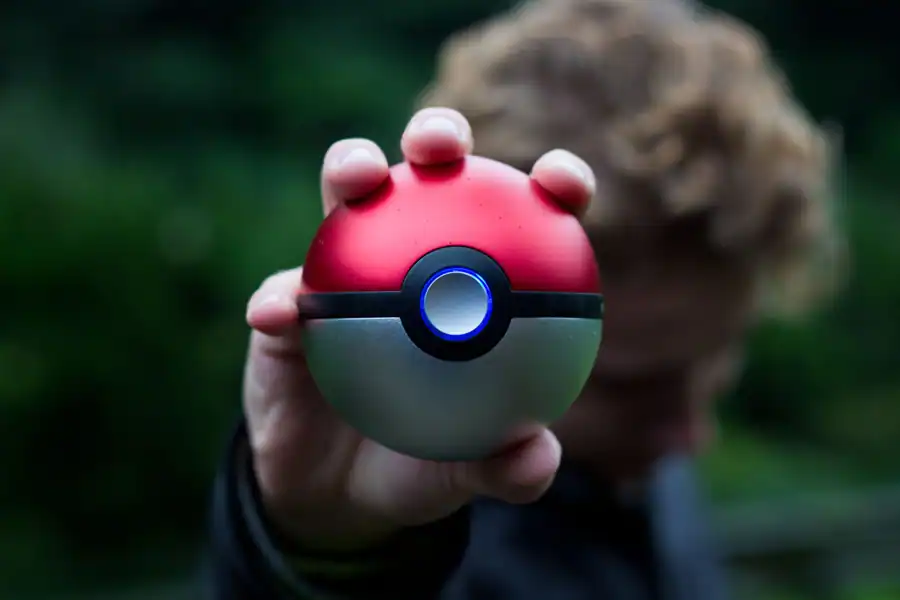
Photo: Vincent M.A. Janssen · Pexels
Step-by-step: your first week with the score
Step 1: Listen to the album once, start to finish
No pausing, no skipping, no looking at track names. Just let it run. You are building a rough memory of the shape of the thing, where it gets loud, where it pulls back. Result check: you can describe the album's overall mood in one sentence without checking anything.
Step 2: Watch the opening sequence with the sound on
Then watch it again and write down the moment the music changes. Most people catch two or three shifts on the first pass and five or six on the second. That gap is the point of the exercise.
Step 3: Compare the two regional versions of one scene
Pick a single scene and play both versions back to back. Write one line about each: what instrument leads, how fast it feels, whether it is trying to excite you or calm you down. This is where the differences stop being trivia and start being audible.
serp_errorStep 4: Write three lines per cue
Instrument, tempo, job. What is playing, how fast, and what is it doing to the viewer. Three lines is enough. Long analysis kills the habit before it forms.
Step 5: Follow one thread outward
Pick whatever caught you, a brass line, a synth pad, a drum pattern, and chase it into other game scores. If you liked the melodic writing, the Zelda Ocarina of Time soundtrack is a natural next stop. If you liked the electronic textures, try the Sonic original soundtrack.
How we picked these starting points
Three criteria, in order of importance. First, availability: a starting point is useless if you cannot actually find it. Second, contrast: the best entry points let you hear two versions of the same idea, because comparison teaches faster than repetition. Third, connection to game music, since that is what this site is about.
That is why the first film beats the later ones as a doorway. Later entries have good cues too, but they assume you already know the language.

Photo: cottonbro studio · Pexels
The short version
| If you want to… | Start here | Why it works | Time needed |
|---|---|---|---|
| Understand the franchise's film music | The first movie, both versions | Clearest regional contrast | About two hours |
| Hear strong melodic writing | Zelda: Ocarina of Time | Theme-driven, easy to follow | One evening |
| Hear early electronic textures | Sonic the Hedgehog | Synth-forward, short loops | One evening |
| Learn to play a game theme | Minecraft piano arrangements | Simple, repetitive, forgiving | A few sessions |
If you would rather start from the wider picture, the guide to the best video game soundtracks puts these albums in context. For a score built on a single strong motif, the Final Fantasy VII soundtrack is the classic case study, and the Mario theme music breakdown shows how far one short melody can travel.
Common mistakes and how to fix them
- Starting with a later film. You will hear references you cannot place. Go back to the first one.
- Only hearing one regional version. Half the interesting decisions live in the other mix.
- Listening on phone speakers. Quiet string parts and low synth beds vanish. Use headphones.
- Taking notes on everything. Three lines per cue, then stop. Volume of notes is not progress.
- Assuming the album equals the film. Edits and re-arrangements are normal. Trust your ears over the track list.
If a cue sounds wrong or out of place, that is usually a sign of an edit, not a mistake in your hearing. Note it and move on.
FAQ
Do I need to have played the games first?
No. The films stand on their own, and the scores are written to work for viewers who have never touched a Game Boy. Knowing the games adds context, not access.
Is the first movie's soundtrack the same in every country?
No. The Japanese and English-language releases differ in places, with swapped songs and re-edited cues. Treat them as two related but distinct albums.
How long before I can actually hear the differences?
Most people notice the obvious ones on the second listen and the subtle ones after comparing a single scene a few times. A week of short sessions is plenty.
Should I start with the film or the album?
The album first, then the film. Hearing the music without images gives you a clean impression you can then compare against the scene it was written for.
What if I only care about the game music, not the films?
Then use the film score as a comparison tool. Hearing how the same musical ideas get reworked for cinema makes the game versions easier to hear on their own terms.
More on the site
Read next
Metal gear rising soundtrack: a practical guide
The Metal Gear Rising soundtrack does something most game scores never attempt: it sings at you while you fight. Composed largely by Jamie…

Sonic the hedgehog soundtrack: a practical guide
Most people meet the Sonic music backwards. They hear a remix, a live orchestral arrangement, or a track from a later game, and only then go looking…
Final fantasy 7 original soundtrack: a practical guide
Four discs. Roughly eighty tracks. One composer working mostly alone at a keyboard. The Final Fantasy 7 original soundtrack is the score Nobuo…