Sonic original soundtrack: a practical guide
Published 28 September 2026
Few game series have reinvented their sound as often as Sonic. Since 1991, the blue hedgehog has moved through FM synth funk, sample-based pop, live rock and orchestral swing, and each era left behind a soundtrack worth tracking down. This guide walks you through the Sonic original soundtrack as a whole: which scores matter, what makes each one distinct, and how to actually listen to them without getting lost in regional variants and re-releases.
You do not need special gear. A pair of decent headphones and an hour will do. The tricky part is knowing where to start, because "the Sonic soundtrack" is really a dozen different soundtracks made by different composers in different decades.
Why Sonic music sounds different from other game scores
Sonic scores were built for speed. The original Mega Drive games had to keep a melody legible while the player was running at full tilt, so composers wrote short, punchy hooks that repeat fast and resolve quickly. That constraint shaped everything that followed.
The other defining trait is stylistic range. Where many series settle on one house style, Sonic jumped between funk, jazz, rock and electronic pop depending on the console and the year. The result is a catalog that rewards curiosity rather than completionism.
If you want a broader frame for comparing it against other franchises, our guide to the best soundtrack video game picks puts Sonic in context with its peers.
The Genesis era: where the sound was born
The early 16-bit scores are the foundation. Composed largely by Masato Nakamura for the first two games, they lean on bright synth bass, brass-like FM patches and melodies that sit comfortably over fast scrolling. Green Hill Zone is the obvious entry point, but the deeper cuts, the water levels, the special stages, show how much variety the hardware could carry.
These tracks are short by modern standards. Most loop in under two minutes, which is exactly why they stick. You hear the hook, you hear the variation, and the loop closes before it wears out.
Listening tip: play them at the original tempo rather than a slowed remix. The arrangements were written to sit under motion, and the pacing is part of the design.
The 16-bit era defined the series' melodic signature: short loops built for speed.
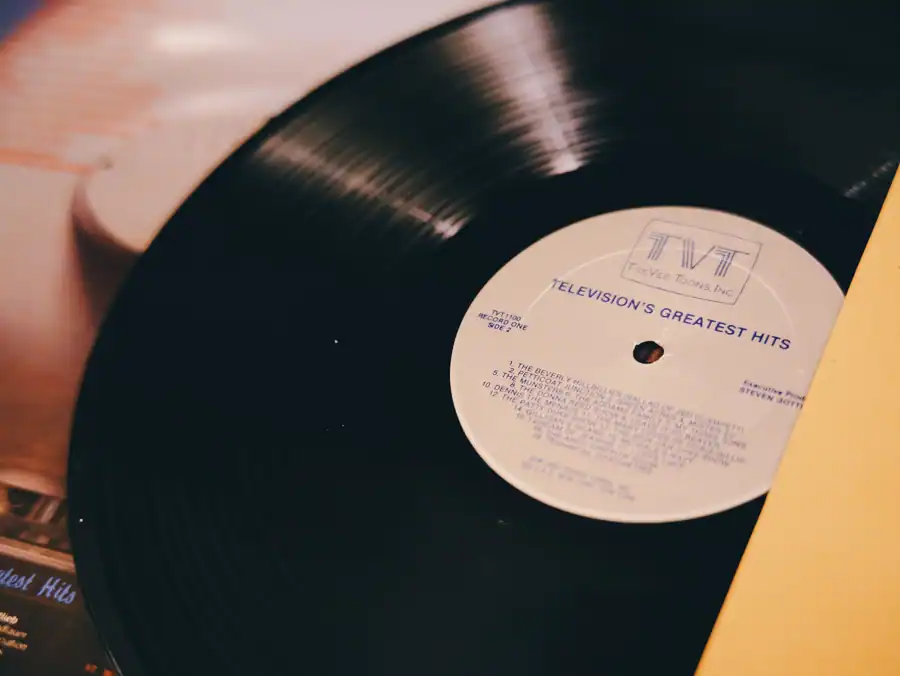
Photo: Aaron Burden · Pexels
Sonic CD original soundtrack: two versions, one decision
Sonic CD is the first place where the Sonic original soundtrack splits into regional editions, and it still trips people up. The Japanese and European release used a score by Naofumi Hataya and Masafumi Ogata, built around sampled vocals, breakbeats and a distinctly club-oriented palette. The US release swapped in a different set of tracks.
Both are worth hearing, but they feel like different games. The Japan/EU version is the one most listeners mean when they praise Sonic CD's music; the US version leans harder into rock and synth textures.
Before you buy or stream anything, check which edition you are getting. The track listing is the giveaway, if the opening theme is a vocal track, you have the Japanese/European version.
| Release | What decides the pick | Style | Best for |
|---|---|---|---|
| Sonic CD (JP/EU) | Sampled, vocal-led production | Club, breakbeat, pop | Hearing the series at its most experimental |
| Sonic CD (US) | Guitar-driven rock arrangements | Rock, synth | Fans of the later Adventure-era sound |
| Sonic 3 & Knuckles | Two composers, one continuous score | Funk, jazz, FM synth | The most consistent 16-bit listen |
Sonic 3 original soundtrack: the fan favorite
Ask longtime listeners which score they return to and the Sonic 3 original soundtrack usually wins. The reason is consistency. The tracks share a tight rhythmic vocabulary, swung drums, syncopated bass, bright lead lines, so the whole game feels like one continuous piece rather than a compilation.
It also benefits from length. Sonic 3 and its Knuckles expansion together carry far more music than the earlier titles, which gave the composers room to write slower, moodier pieces alongside the fast stage themes.
Start with the opening stage themes, then move to the bonus and special stage music. That second group is where the jazz influence shows most clearly.
serp_error
Photo: Mick Haupt · Pexels
Sonic Adventure 2 original soundtrack: rock, vocals and ambition
The Sonic Adventure 2 original soundtrack is the point where the series stopped being purely instrumental. Crush 40's vocal themes sit alongside stage music that mixes live guitar, drum programming and orchestral touches, and the whole thing is produced like a mainstream rock record rather than a game score.
That shift divides people. Some hear it as the series finally matching its own energy; others miss the economy of the 16-bit loops. Either way, it is the most important transition point in Sonic music history.
If you only sample one thing from this era, take the character themes. They carry the melodic identity that later games kept borrowing.
From 2001 onward, Sonic scores were produced like rock records, with live instruments and vocals.
The modern era and where it went next
Later Sonic games pulled in two directions at once. Some entries returned to synth-driven, retro-flavored writing, while others went fully orchestral with live ensembles. The series never settled, and that restlessness is the through-line.
For listeners coming from other franchises, the orchestral entries are often the easiest entry point, while the retro-styled ones reward anyone who already likes chiptune and tracker-based composition.
If your taste runs toward piano arrangements of game themes, our walkthrough on the Minecraft music piano sheet shows how to approach transcribing this kind of material yourself.
How to listen to the Sonic original soundtrack properly
Treat it as a catalog, not a playlist. Sonic scores were written to loop under gameplay, so hearing a single track in isolation tells you less than hearing a stage's full set in order.
- Pick one era. Start with either the 16-bit games or the Adventure era. Mixing them on day one makes the stylistic jumps feel like inconsistency rather than range.
- Check the edition. For Sonic CD specifically, confirm whether you have the Japanese/European or US track listing before you judge it.
- Listen in stage order. The sequencing carries a mood arc that shuffle mode destroys.
- Note the composer. Different composers handled different games, and following one name across titles is the fastest way to find more of what you like.
- Then branch out. Compare against other series once you know what you actually enjoy here.
One more thing: avoid judging a score from a compressed streaming rip. These arrangements rely on bass and percussion, and heavy compression flattens exactly the parts that make them work.
FAQ
Which Sonic soundtrack should I start with?
Sonic 3 & Knuckles is the safest first pick because it is the most consistent across its full length. If you prefer vocals and rock production, start with Sonic Adventure 2 instead.
Are the Sonic CD regional versions really that different?
Yes. The Japanese and European release uses a different score from the US release, with different composers and a different stylistic direction. They are not alternate mixes of the same music.
Do I need to play the games to enjoy the music?
No, but context helps. These tracks were written to loop under specific stage moods, so knowing what a level looks like explains a lot of the arrangement choices.
Where does the series' orchestral sound fit in?
It arrived later, mostly in the 2000s and beyond, and it sits alongside rather than replacing the synth-driven style. Both strands are still active in newer releases.
Is the Sonic original soundtrack good for studying game music composition?
It is one of the better case studies available, because the same franchise shows you FM synthesis, sample-based production, live rock and orchestration across three decades. If you want a second reference point, our breakdown of the Final Fantasy 7 soundtrack covers a very different approach to the same era.
More on the site
Read next
Metal gear rising soundtrack: a practical guide
The Metal Gear Rising soundtrack does something most game scores never attempt: it sings at you while you fight. Composed largely by Jamie…
Pokemon soundtrack movie: how to get started
Start with the first movie. Everything else makes more sense after it. If you have ever hummed a tune from a Pokémon film without knowing where it…

Sonic the hedgehog soundtrack: a practical guide
Most people meet the Sonic music backwards. They hear a remix, a live orchestral arrangement, or a track from a later game, and only then go looking…